
Philosophize EU: learning to think together
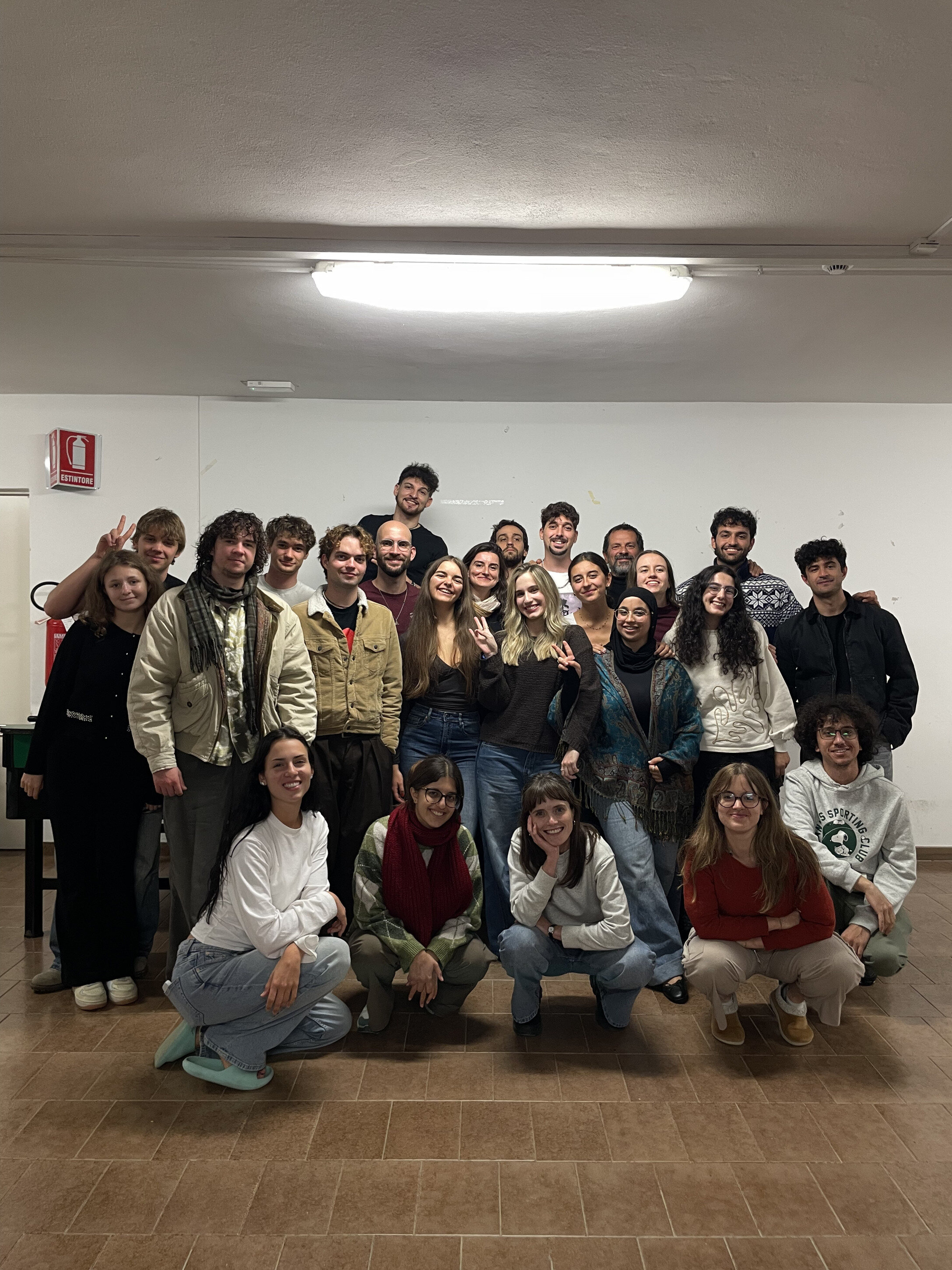
From 22 to 29 October 2026, in the Agordino area, twenty-eight youth workers from organisations across Europe came together for the mobility of PhEU – Philosophize EU, the Erasmus+ KA153-YOU project coordinated by Mimma Dreams APS. For one week they did something unusual: they stopped taking for granted what Europe is, and tried to think about it together, using the tools of philosophical dialogue.
In an increasingly complex and unstable European and global context, democratic values, human rights and the sense of belonging are constantly being put to the test. PhEU was born from the need to go beyond a purely informative or institutional narrative of Europe, and to help young people and youth workers question its meaning as a historical, philosophical and ethical project, closely tied to the concrete challenges of the new generations.
In the project's vision, philosophical dialogue makes it possible to move past slogans and one-way transmission of content. Instead, it encourages critical thinking, democratic participation and the ability to form independent opinions. A Europe "united in diversity" also requires learning to live with differences in values, worldviews and political positions, and recognising dialogue as the foundation of democratic coexistence.
Seven European organisations take part in PhEU: Mimma Dreams APS as coordinator, and partners from Portugal, Spain, Hungary, Lithuania and Greece. Each brought its own group of youth workers to Italy, with very different experiences of working with young people.
A week of learning to think together
The programme followed a three-stage path, set out from the start: getting started, learning to think philosophically and learning to think together. Every morning began with a morning circle at 9:45, and every day ended with a reflection time from 6:30 to 7:00 p.m.
Getting started. The first days were devoted to getting to know each other and clarifying expectations: introductions, a name game, an icebreaker card game, group surveys and an opening debate. In parallel, the group worked on youth work competences, to reflect on what being a youth worker means in everyday practice today.
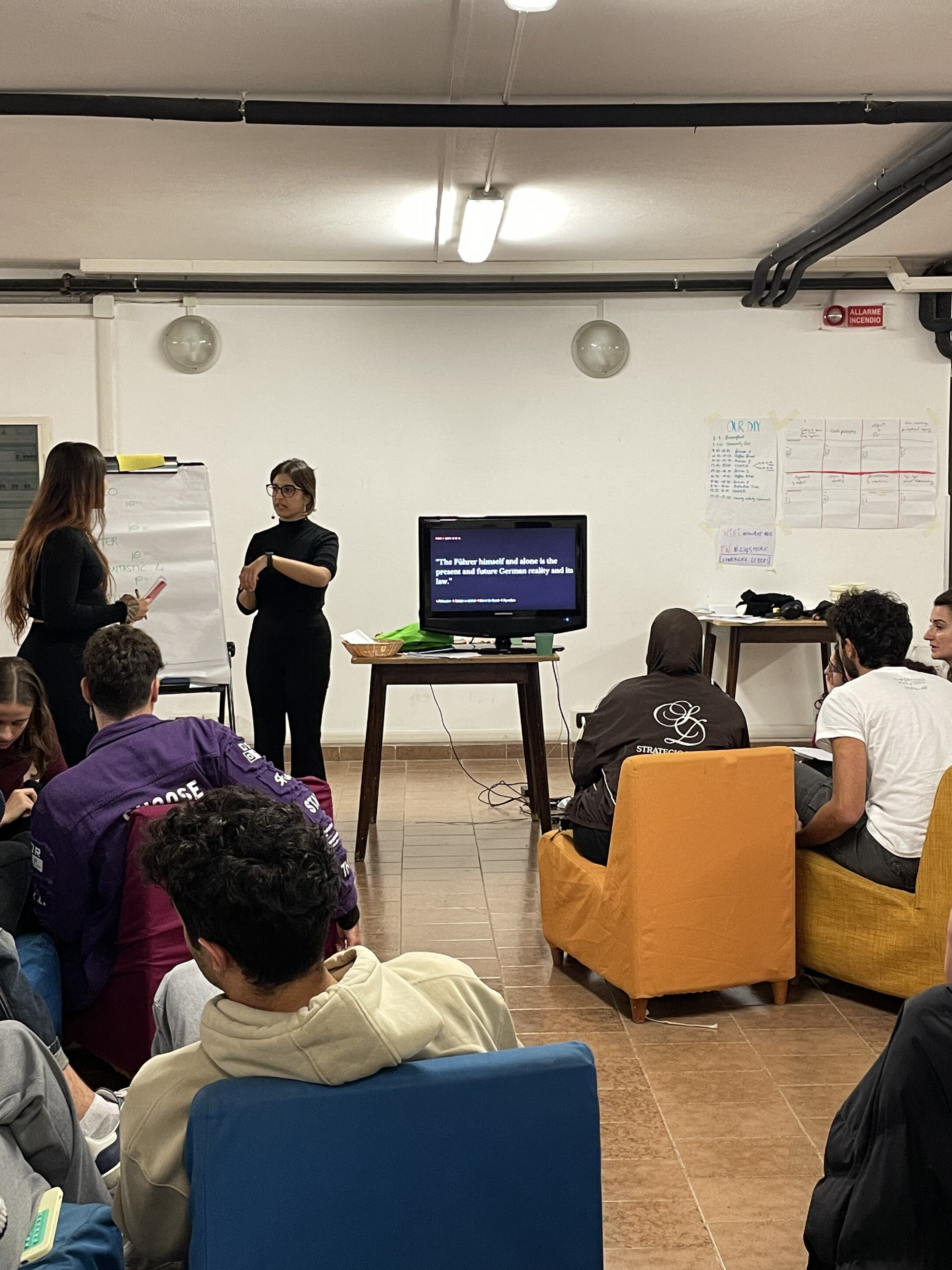
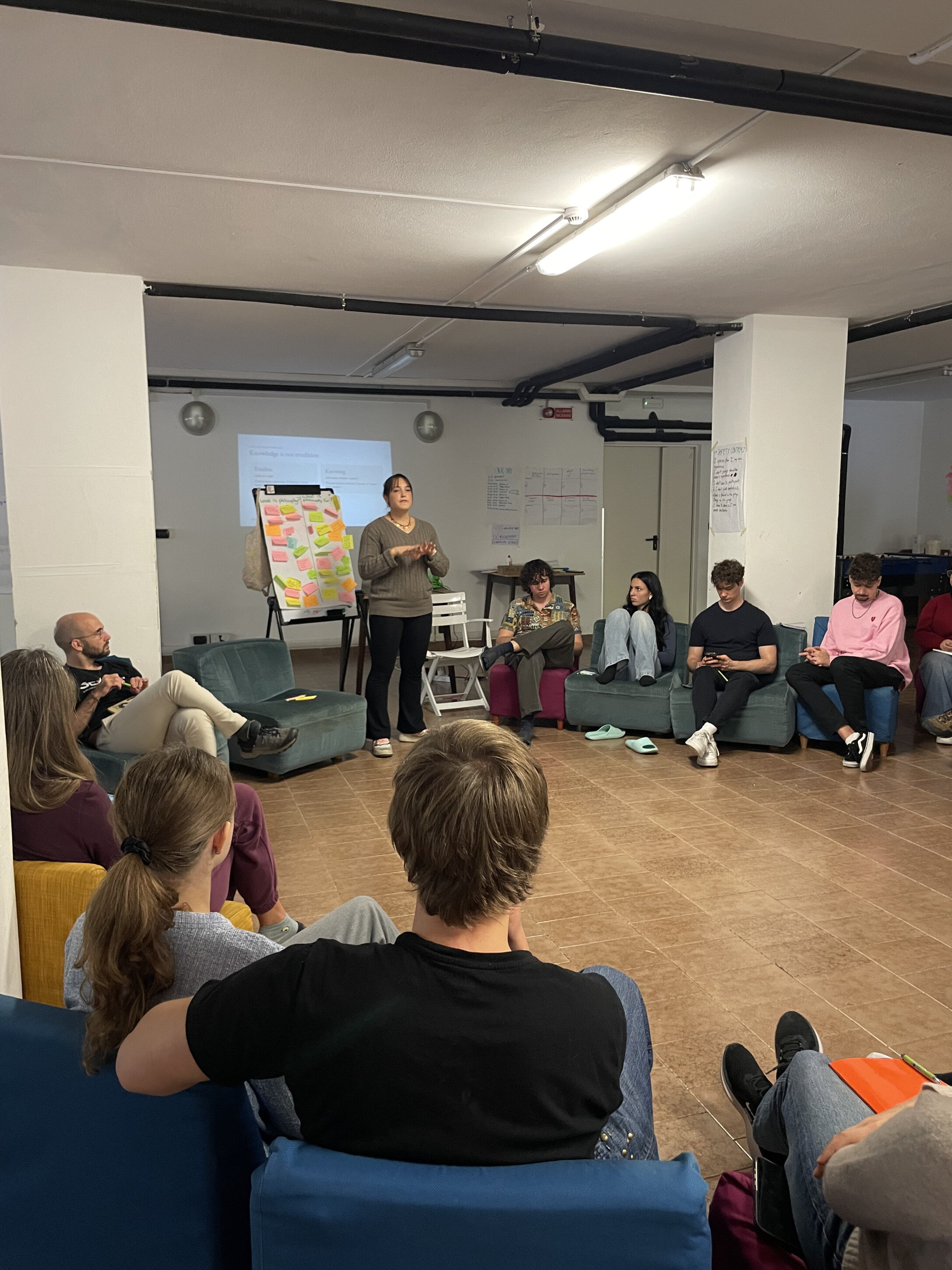
Learning to think philosophically. The core of the path was the Argument Clinic, in two parts: in the first, participants worked on claims, reasons and inferences, that is, on how an argument is built; in the second, on fallacies, the most common errors of reasoning. They then tackled thought experiments and ethical dilemmas, starting from choosing three values for a utopian society and discussing Omelas and utopia, asking at what price the ideal society is built.
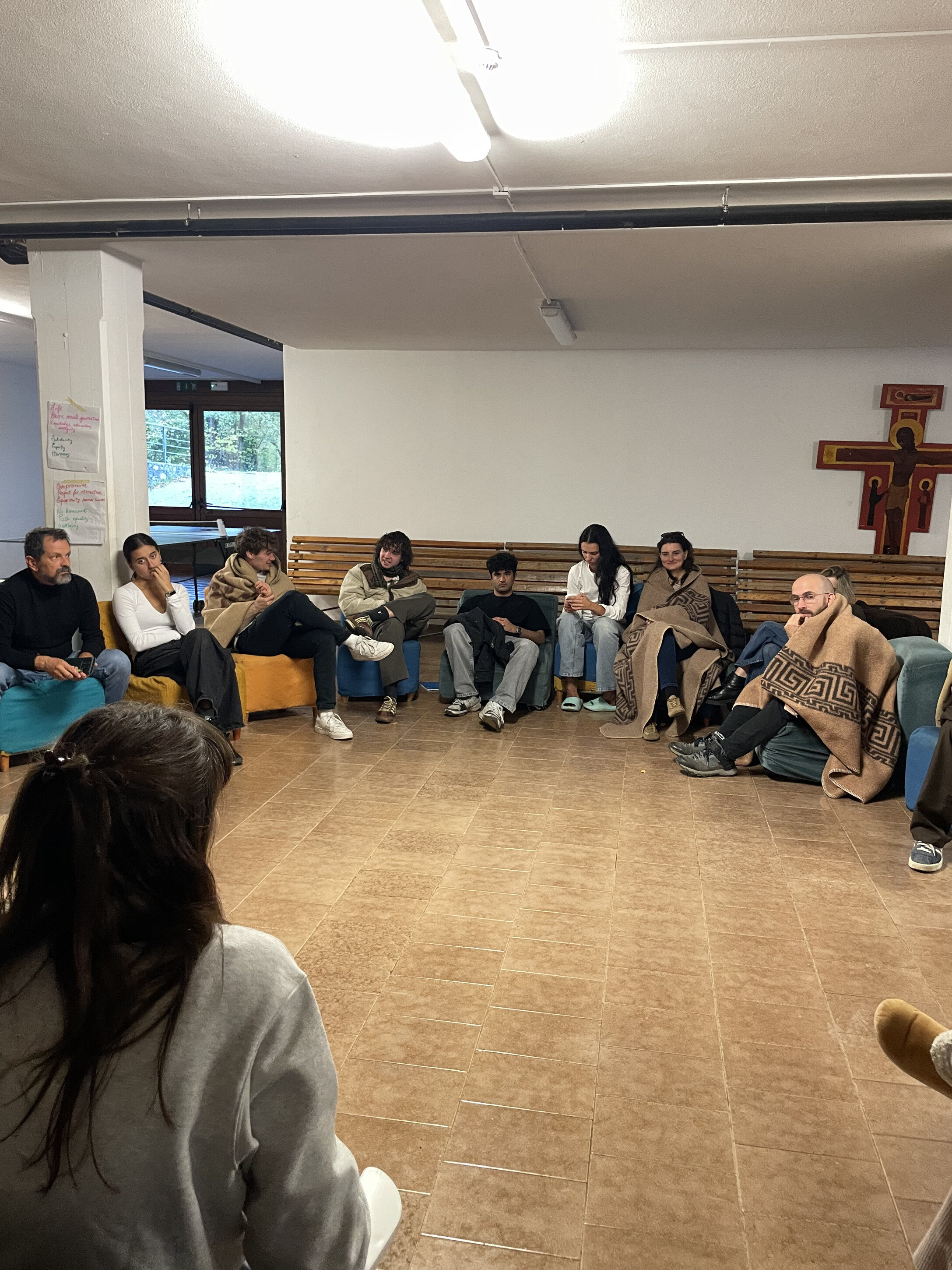
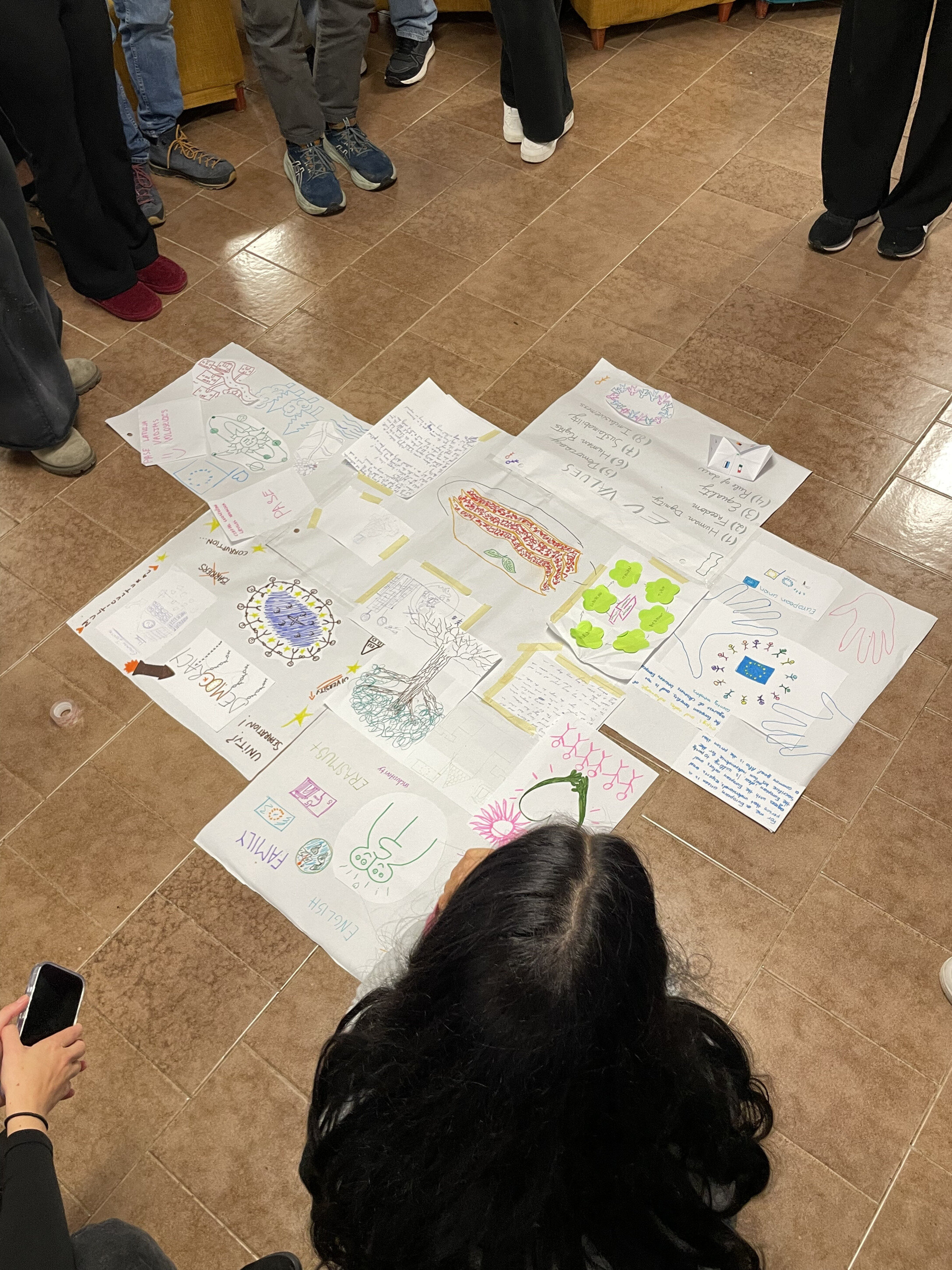
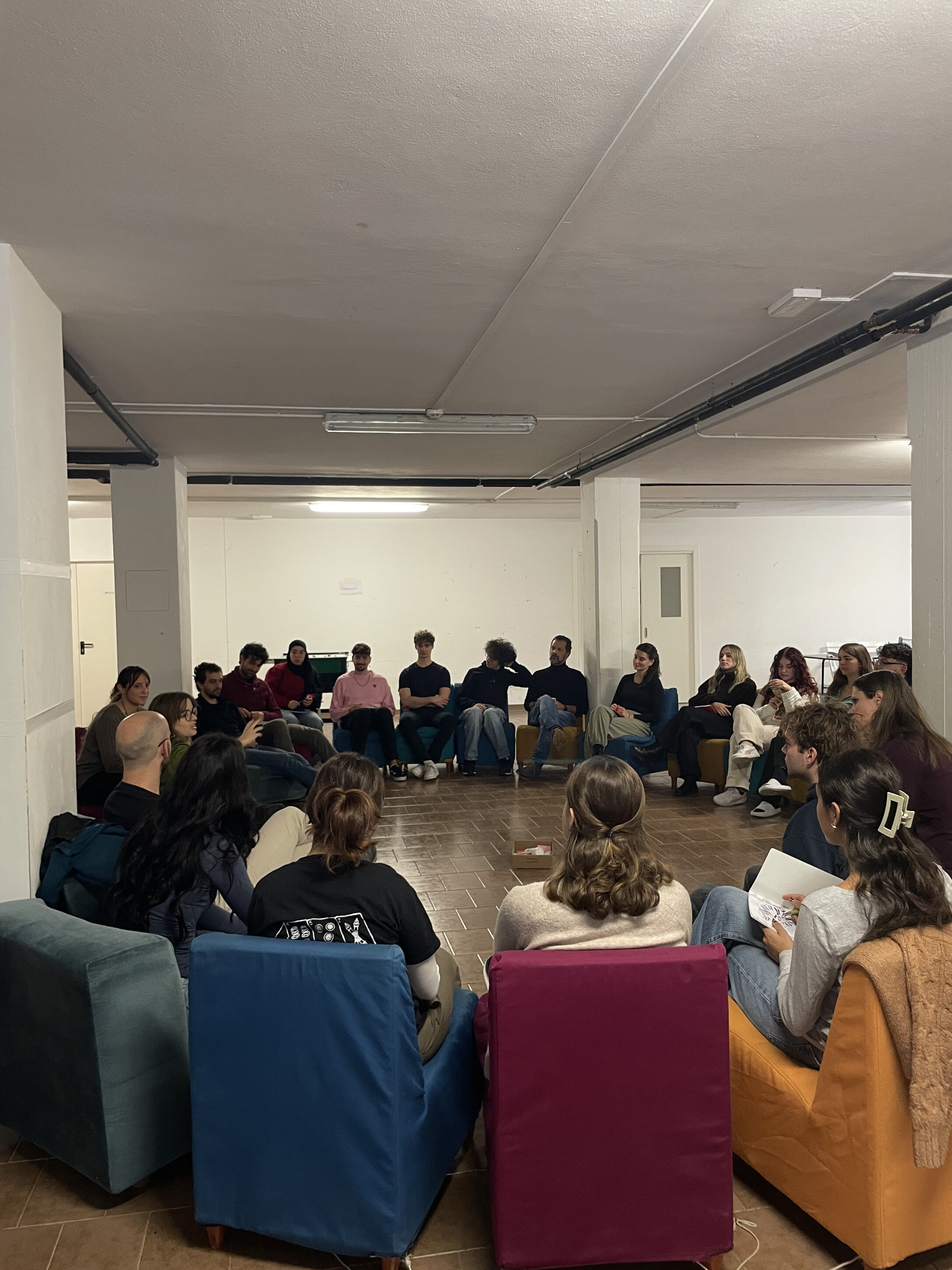
Thinking together, as a community. The next step was learning to do it as a group: the community of inquiry and the formulation of philosophical questions, nonviolent communication, collective deliberation and decision-making methods. There was also time to reflect on Europe as seen from participants' own communities, with the activity Perception of Europe in my community.
Facilitating, to take it all home. The final days shifted the focus to professional practice: philosophy with children, peer learning on how to facilitate conflict, a facilitation challenge in which participants tried leading an activity first-hand, dissemination planning and a closing philosophy quiz. Each activity was followed by a debriefing with two simple questions: why was this activity chosen, and how can it be reused in your daily work?
PhEU does not end with the mobility: the project continues until August 2027. Participants return to their organisations with a methodology to try out with young people, the ability to argue and to listen to positions different from their own, a deeper awareness of the historical and ethical meaning of the European project, and a professional network of youth workers from different countries.