

Erasmus+ KA210 and KA220: the meeting of the Italian Youth Agency
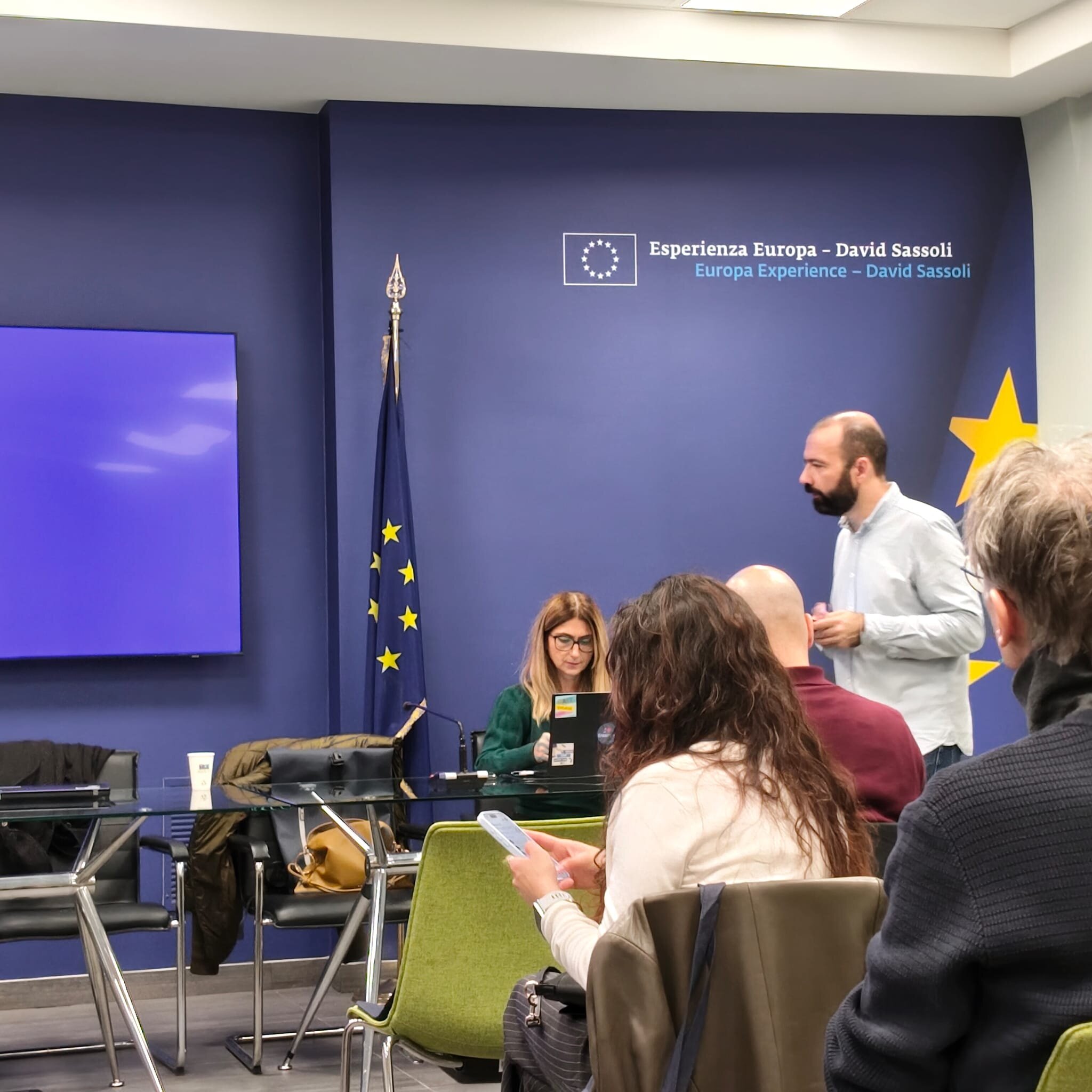
The Italian Youth Agency brought together the beneficiaries of small-scale partnerships (KA210) and cooperation partnerships (KA220) to take stock of how to best manage a project, from signing the agreement through to the final report.
The lump sum model
At the heart of the meeting is lump-sum funding: from €30,000 to €60,000 for KA210 and up to €400,000 for KA220, linked to objectives and results and with no financial reports. Activities must, however, remain consistent with what was approved, in compliance with the principles of co-financing, non-profit status and the ban on double funding. Even if reporting is simplified, accounting and tax documentation must be kept in case of possible checks.
Roles, agreements and changes
The Agency clarified the tasks of the coordinator, who oversees implementation, acts as an intermediary with the Agency and distributes the funds, and those of the partners, who must keep information up to date and promptly report anything that may affect activities. A partnership agreement was recommended, to be set up already at application stage, to define responsibilities, working tools and the distribution of funds. The rules for changing activity dates or the end of the project were also explained, and which changes require an amendment and which only a simple authorisation.
The tools: Beneficiary Module and project results
The Beneficiary Module is the platform to manage the project and submit the final report, with access via multi-factor authentication. Important update: from 4 November 2026, KA2 project results are uploaded exclusively from here, and no longer from the Project Results Platform.
Sustainability and inclusion
The meeting recalled two programme priorities to keep in mind at every stage of the project. The green priority, with a focus on sustainable mobility, low-impact events and sustainable communication, supported by resources such as SALTO Green and the GreenComp framework. The inclusion and diversity priority, with tools such as preparatory visits and specific financial support for young people with fewer opportunities. On the inclusion front, a new European strategy was also announced, whose publication is expected in 2027 together with the 2028 Programme Guide.
A useful appointment for those managing KA2 projects: a reliable partnership, quality results and constant monitoring remain the ingredients for a successful project. To learn more, the Agency points to the 2026 Programme Guide and the 2026 Lump Sum Handbook as references.