
MAM-DIGI HUB: the project’s second Workshop has ended, between Telegram, digital hubs and young mothers in the spotlight.
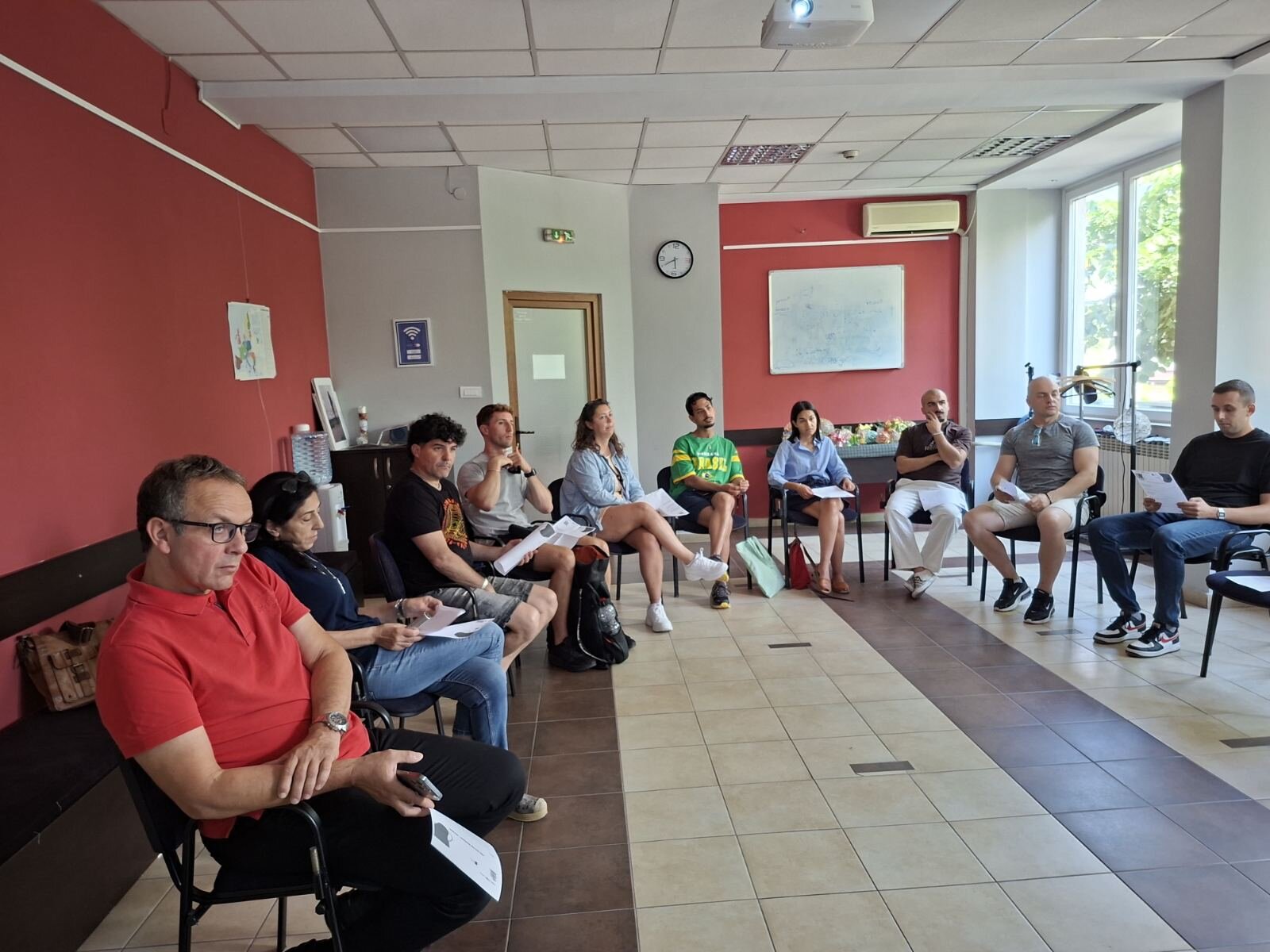
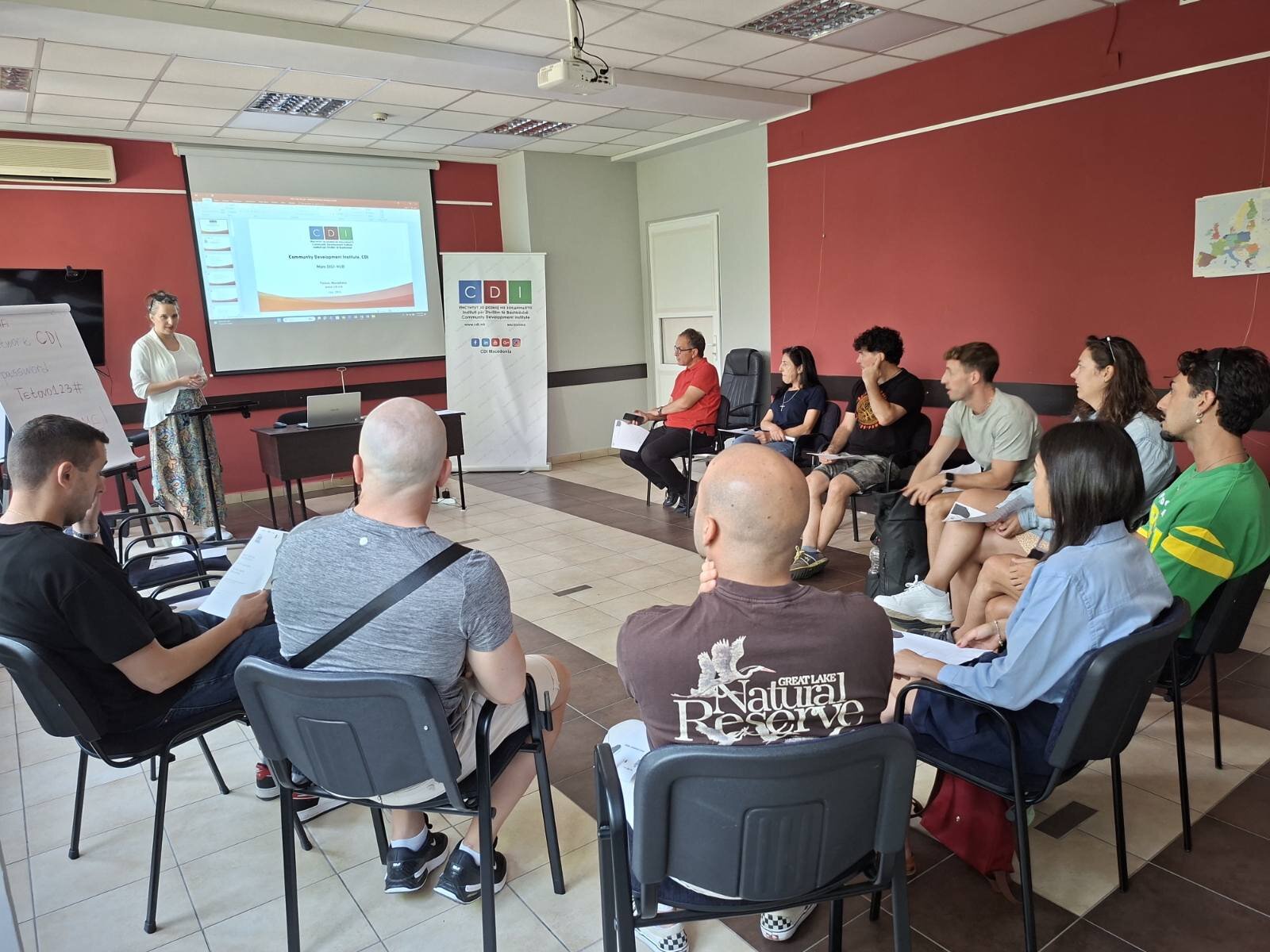
From 7 to 9 July, the second MAM-DIGI HUB Workshop took place in Tetovo, North Macedonia, the Erasmus+ (KA210-VET) project aimed at supporting young mothers in developing digital and entrepreneurial skills.
Three intense days, during which the partnership met in person to do something that online is increasingly difficult: build together, in the same space, at the same pace, a concrete piece of the project. Not just discuss it—make it happen. At the end of the workshop, what had previously been a shared idea in the project documents became a real tool: the digital hub designed to support the young mother beneficiaries in their path of professional growth.
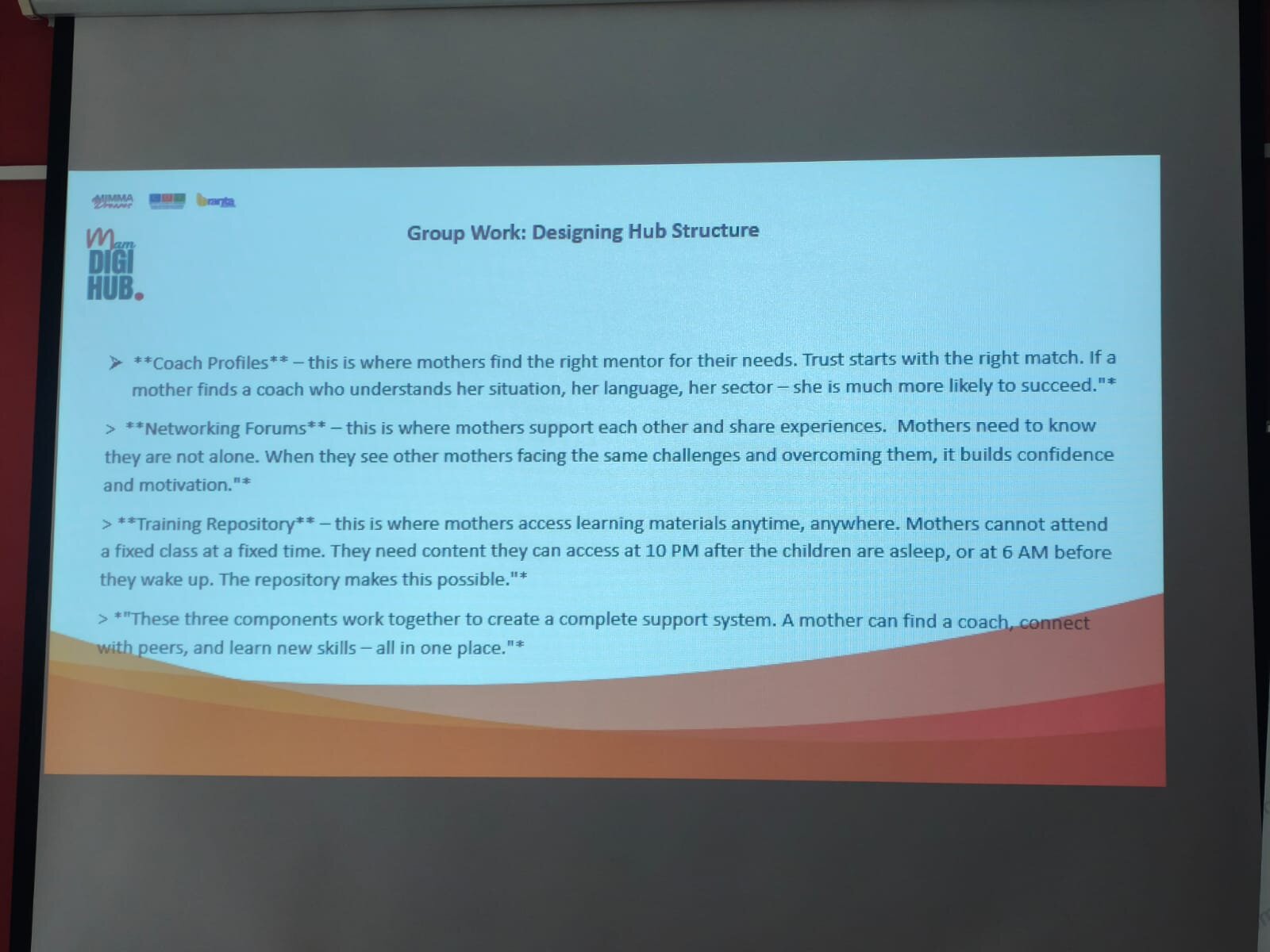
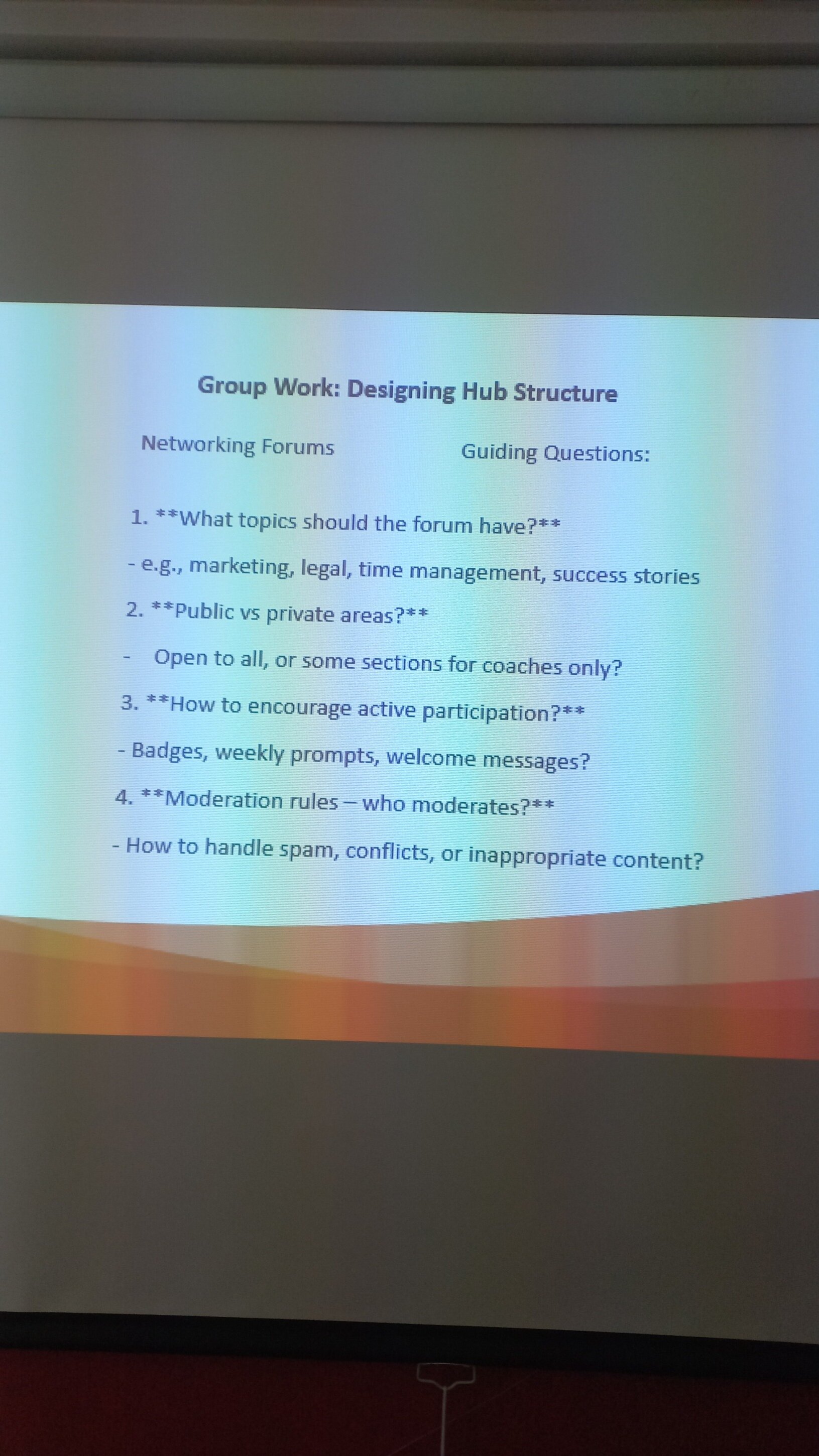
The first day was used to get everyone back on the same wavelength. After an ice-breaker to break the ice among partners who have known each other for months but not always in person, we went back to the basics: the presentation of the project, the training modules already developed, the first online workshop already delivered. Also a moment to compare best practices in digital mentoring—what really works, when working with participants who have limited time, specific needs, different stories behind them. From there, the working groups got hands-on with the hub’s structure: coach profiles, discussion forums, a materials repository. Not theory, but real architecture.
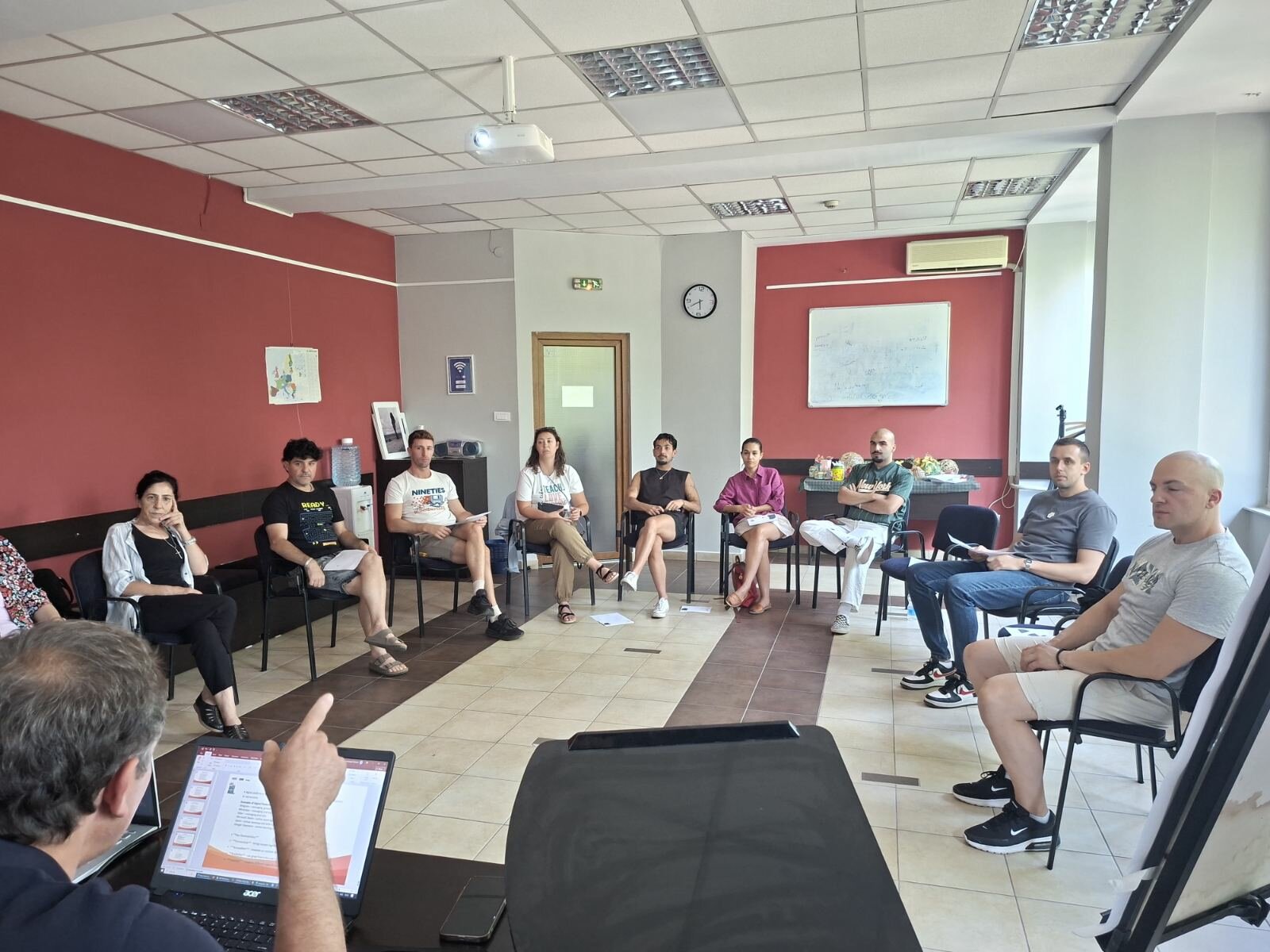
The second day was the most hands-on of the three. At the core, a deep dive into Telegram: the platform chosen to host the hub, with all its features and options to explore in detail before being able to adapt it to the project’s needs. From there, the partners split into groups to work on the technical sections and on the content, with a particular focus on making everything easy to use for those who, on the other side, might open the app between a meal and the baby’s nap. The day closed with mutual presentations of the work and a moment of co-creation, to bring together what emerged across the different groups.
On the third day the hub was finally put to the test. Two testing phases, with feedback gathered directly from participants, to understand what worked and what still needed fixing. This was followed by a final review of the structure and the definition of launch strategies, because building the hub is only half the work: the other half is getting it to the people who truly need it. There were also more informal moments of reflection on future expectations, before the final evaluation and the closing of the workshop with the delivery of certificates to all participants.
The outcome of these three days is not just a technical product. It is proof that a well-designed digital hub—accessible, tested, built together with those who will use it—can really make a difference for young mothers facing specific barriers in access to work and training. And that in-person moments, when European projects manage to bring all partners into the same room, remain the ones where the most concrete things happen.